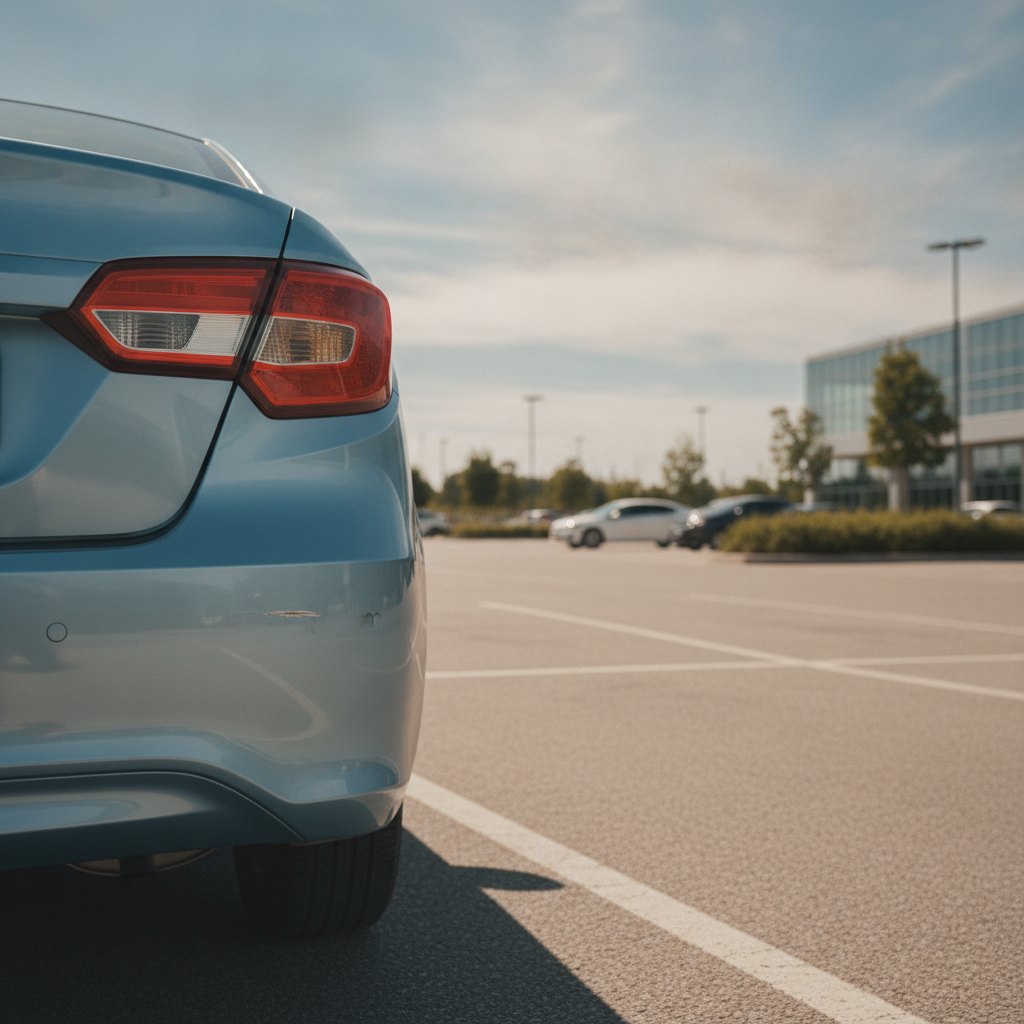
When the Other Driver Drives Off
A hit-and-run is uniquely stressful: someone causes a crash, maybe injures you, and disappears — leaving no one to hold accountable and no policy to collect from. The good news is that your own uninsured motorist coverage is usually built for exactly this. Here's what to do, and how the coverage works.
Right After It Happens
1. Get to safety and check for injuries — call 911 if anyone is hurt. 2. Call the police and file a report. A police report is often *required* for a hit-and-run UM claim. 3. Write down everything you remember about the other vehicle — make, color, partial plate, direction, time, location. 4. Photograph the scene — your vehicle's damage, the road, debris, and any nearby surveillance cameras. 5. Find witnesses and get their contact information. 6. Get medical attention even if you feel okay — some injuries surface later, and records matter. 7. Notify your insurer promptly — UM claims have deadlines.
How Your Coverage Pays
In most states, an unidentified hit-and-run driver is treated as uninsured, so your uninsured motorist bodily injury (UMBI) coverage steps in to pay for:
- Medical bills and treatment
- Lost wages while you recover
- Pain and suffering
- Injuries to your passengers and household family
The Property-Damage Catch
Vehicle damage works differently from injuries:
- Injuries (UMBI): usually covered even if the driver is never found, though some states require independent corroboration that a phantom vehicle existed.
- Vehicle damage: some states require the at-fault vehicle to be identified before uninsured-motorist property damage applies — so a true hit-and-run's car damage may fall to your collision coverage (with its deductible) instead.
Because these rules vary, knowing how your state and policy handle it ahead of time matters.
The Best Protection Is Already Having It
You can't add coverage after a crash. The only reliable protection against hit-and-run drivers is carrying solid uninsured motorist limits *before* it happens. We help drivers confirm their UM coverage and strengthen it where it's thin. [Check your coverage](/quote) so you're ready.